research
all things computational.
Computational Neuroscience
Paris Brain Institute • Jun-Sept 2026 (4 months)
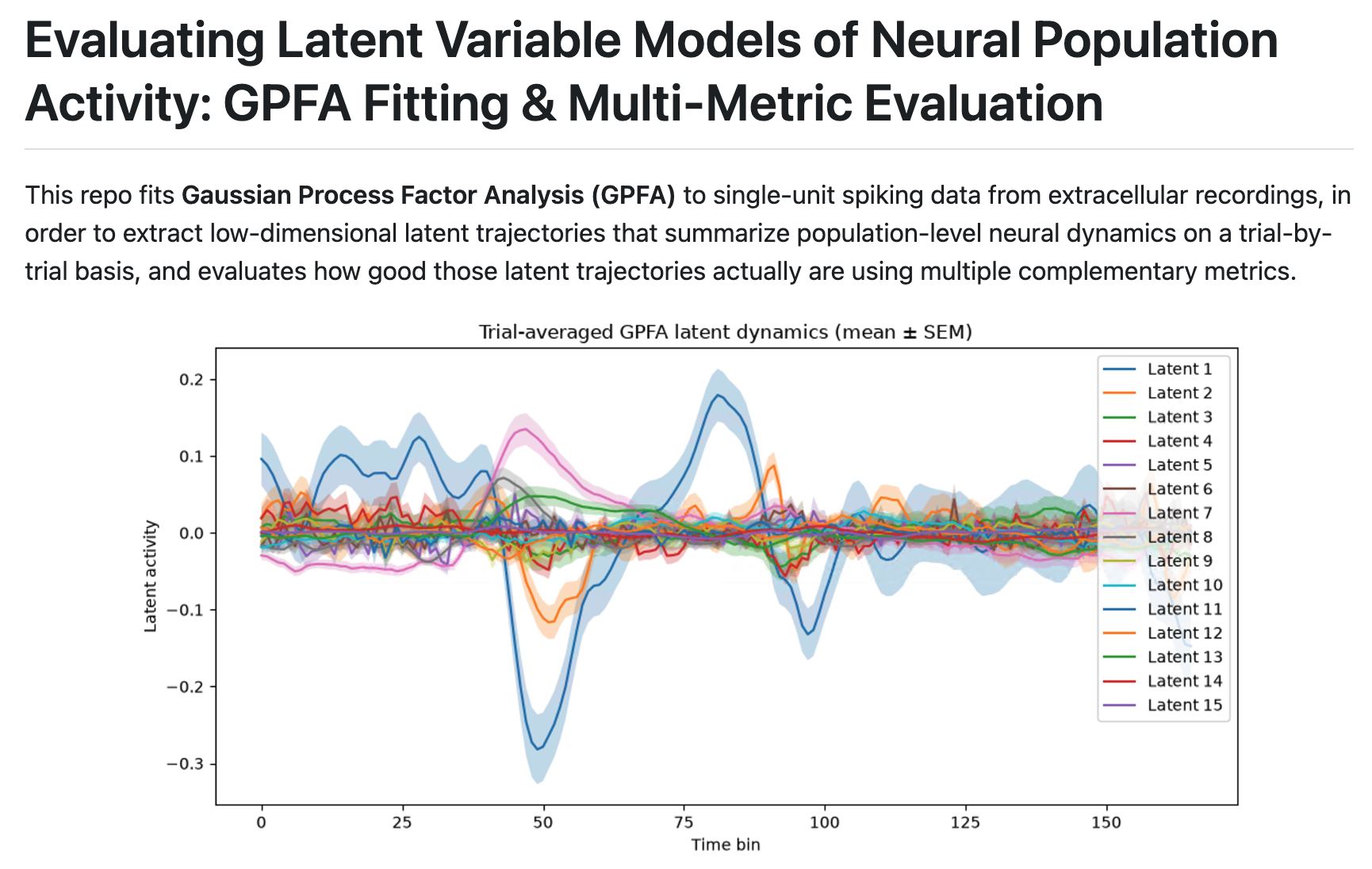
• Analyzing prefrontal cortex neural population dynamics from high-dimensional electrophysiological recordings across different neuromodulatory conditions and behavioral states.
• Applied and evaluated two latent variable models, Gaussian Process Factor Analysis (GPFA) and Variational Latent Mode Decomposition (VLMD), to decode animal behavior from population activity.
In collaboration with the Neuronal Circuits & Brain Dynamics lab, supervised by Dr. Nikolas Karalis.
SKILLS
PRESENTATION
- Paris Circuit Dynamics Conference & Workshop (2026)
A special thank you to the France-Stanford Center for Interdisciplinary Studies for their generous sponsorship.
Neuromorphic Computing
Portland State University • Jun 2022-May 2023 (1 year)
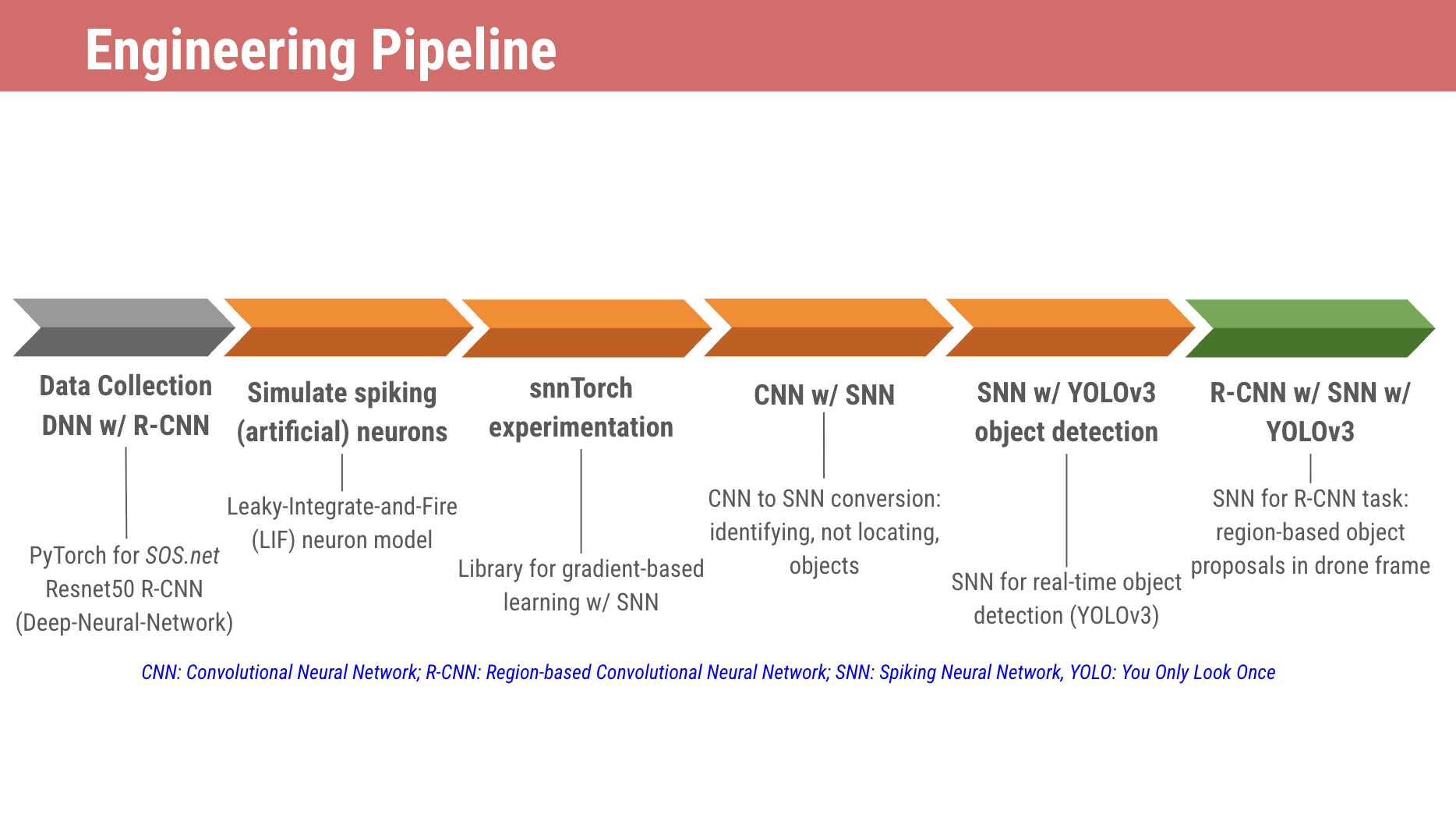
- Developed SOS.net, a computer vision pipeline for autonomous drone-based search and rescue using deep learning object detection models.
• Adapted YOLOv3 with spiking neural networks (SNNs) for energy-efficient real-time inference, enabling lightweight deployment on drone hardware.
SKILLS
PRESENTATION
- National Junior Science & Humanities Symposium (2023)
- Sigma Xi Intl. Forum on Research Excellence (2022)
Research Assistant (neurobiology)
Stanford Department of Neurobiology • Sept 2025-Jun 2026 (1 academic year)
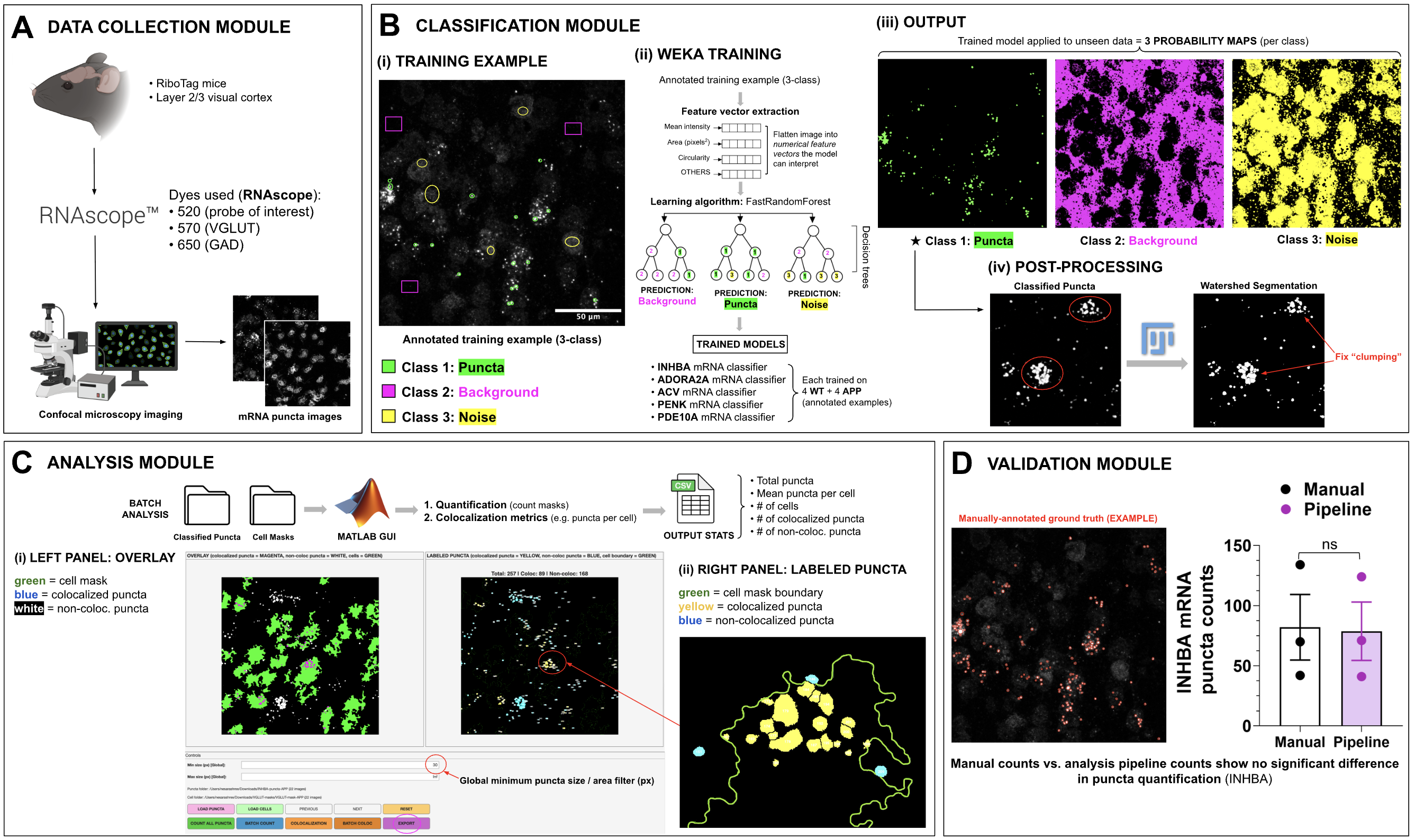
• Developed a validated, open-source image analysis pipeline using computational methods to quantify cell-type-specific transcriptional changes in early Alzheimer's models.
• This approach revealed early disruptions in distinct neuronal populations before major pathological changes.
• Developed an automated tool for dendritic spine tracking and batch quantification of spine motility dynamics from fluorescence microscopy data.
Supervised by Dr. Carla Shatz and Dr. Monique Mendes. Manuscript awaiting review for publication.
SKILLS
PRESENTATION
- Society for Neuroscience Annual Meeting (2026)
- Wu Tsai Neurosciences Institute Retreat (2026)
Computer Vision
OR Health & Sciences University • Jun-Sept 2021 (4 months)
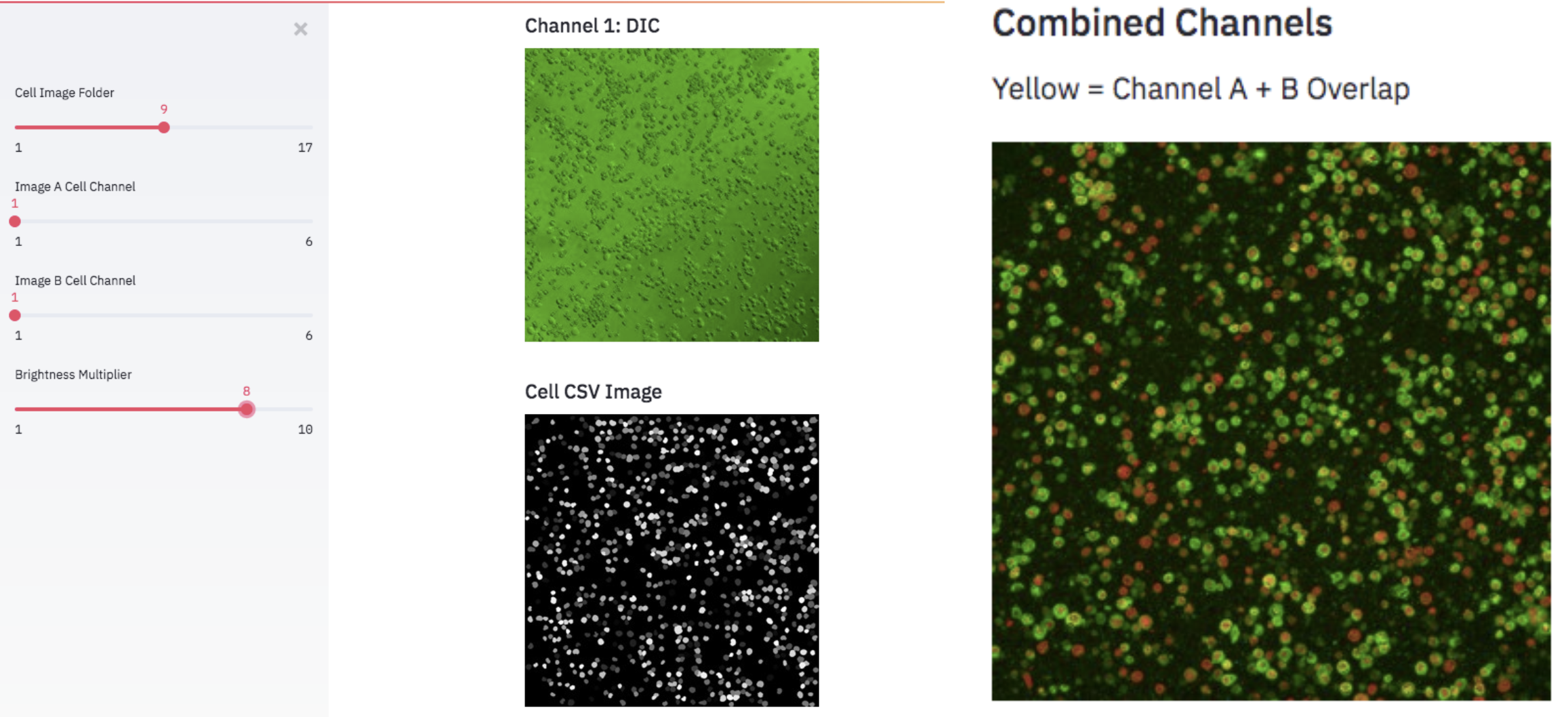
• Developed an automated RetinaNet-based pipeline to detect acute myeloid leukemia cells (CD33+), immune cells (CD3+), and debris in patient-derived multi-channel fluorescence microscopy images.
• Generated validated cell-level annotations from segmentation masks for training.
SKILLS
PRESENTATION
- IEEE Integrated STEM Education Conference (2022)
Bench work.
Metabolomics
Stanford Department of Pathology • Jun-Sept 2025 (4 months)
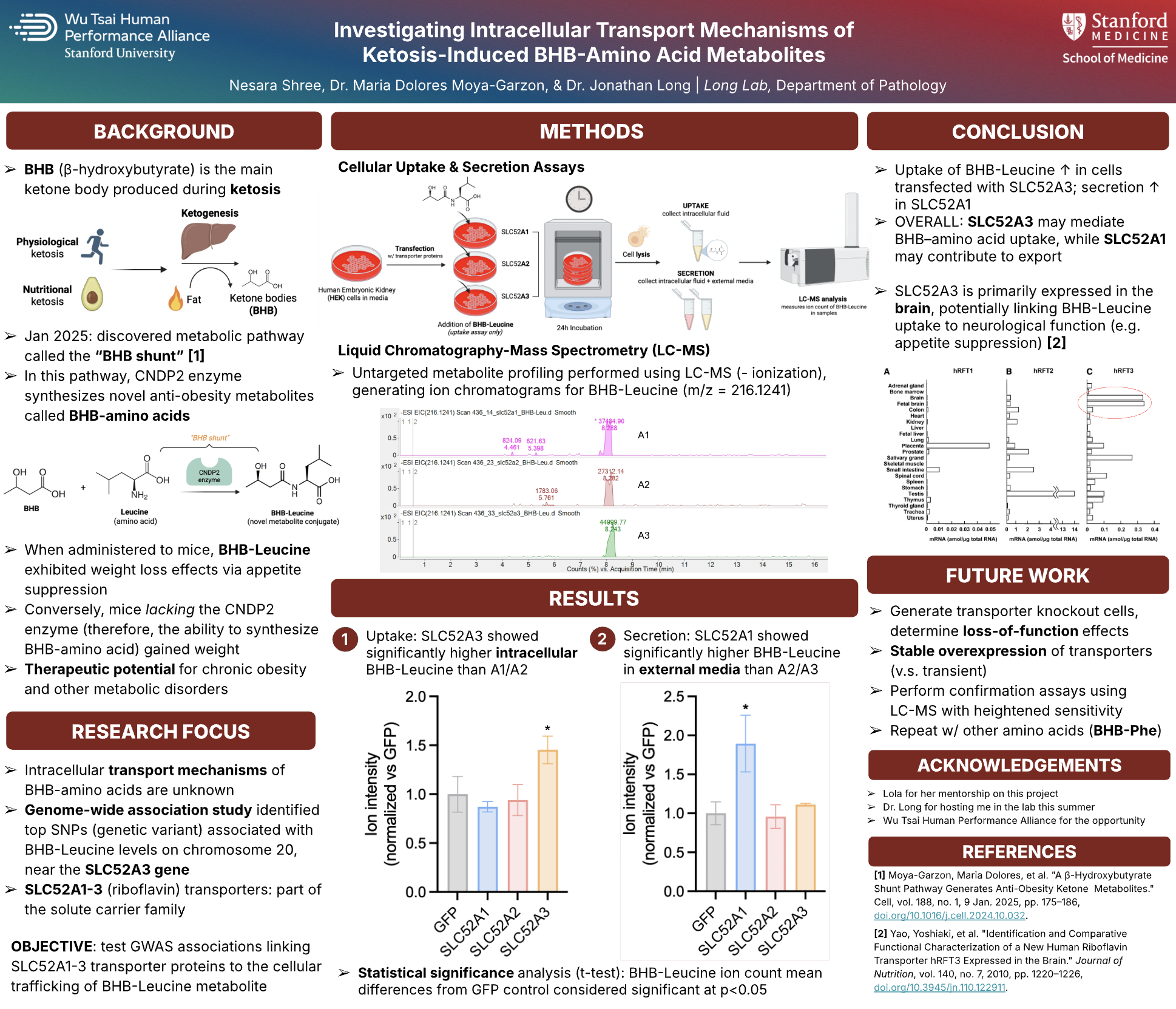
• Characterized cellular transport mechanisms of BHB-amino acid metabolites, novel ketone-derived molecules implicated in metabolic regulation and anti-obesity therapeutics (Moya-Garzon et al., 2025).
• Used LC-MS-based metabolomics and cellular assays to identify a family of involved transporters, revealing potential links between ketone metabolism and neurological function.
SKILLS
PRESENTATION
- Wu Tsai Human Performance Alliance Symposium (2025)
gene therapy
OR Health & Sciences University • Jun-Sept 2023 (4 months)
• Engineered kidney-targeting adeno-associated virus (AAV) capsids to improve gene therapy specificity and delivery, validated through in vivo mouse studies.
• Designed capsid point mutations to overcome epigenetic barriers limiting therapeutic transgene expression.